
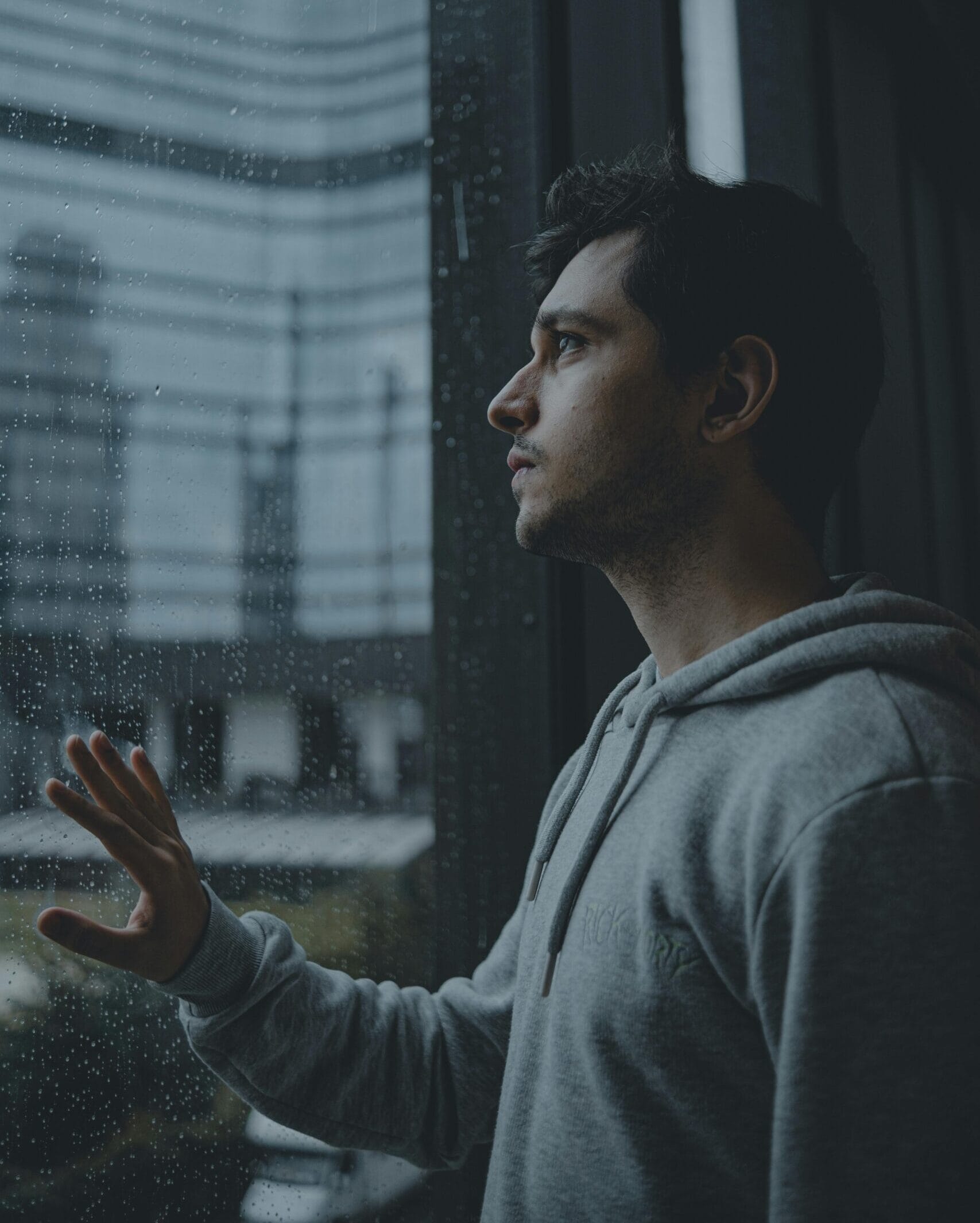
Here in the UK, we’re saying goodbye to an unusually fantastic summer… Long light‑filled days, warm evenings, holidays, virtually no rain – and maybe even a sense that things are easier. Then suddenly, it feels like the season has shifted – the light is draining away, evenings closing in earlier, and for many the mood follows. For someone in recovery from sex addiction, this seasonal shift can be more than just “feeling a bit off” – it can present extra risks. In this post, we’ll explore what Seasonal Affective Disorder (SAD) is, how it might negatively affect someone recovering from sex addiction, and some practical steps you can take to manage low mood and stay on track with recovery.
What is SAD?
Seasonal Affective Disorder is a form of depression that follows a seasonal pattern. The NHS describes SAD as a type of depression that comes and goes in a seasonal pattern, often called “winter depression” because it tends to become more apparent in autumn and winter when daylight hours shorten.
Some common symptoms of SAD include:
- Persistent low mood or feelings of sadness, hopelessness or worthlessness
- Loss of interest or pleasure in activities you usually enjoy
- Low energy, lethargy, daytime sleepiness, or oversleeping
- Changes in appetite, often craving carbohydrates
- Difficulty concentrating, irritability
- Decreased sex drive
Reduced exposure to daylight can affect brain chemistry, particularly serotonin (linked to mood) and melatonin (linked to sleep). Disruption of these hormones, as well as the body’s internal clock, can contribute to SAD symptoms.
Why SAD can be particularly challenging for recovery
Sex and porn addiction are often understood as patterns of behaviour used to escape or regulate difficult emotions. Recovery therefore involves building healthier coping mechanisms, developing emotional regulation, and strengthening support networks.
When SAD symptoms set in, several recovery foundations can be undermined:
- Low mood and hopelessness
Feelings of despair and worthlessness can trigger old coping strategies, such as turning to sexual behaviours as a form of escape. - Reduced energy and motivation
When you’re lethargic, it’s harder to engage with recovery tools such as journaling, attending groups, or sticking to relapse prevention plans. - Disturbed sleep patterns
Oversleeping or poor sleep affects impulse control, making it harder to manage stress, and can leave you more vulnerable to urges. - Isolation
Shorter, darker days may encourage withdrawal from social activities, reducing accountability and connection with others. - Urges to self‑soothe
Even when libido may be lower due to SAD, the addictive cycle can still push toward sexual behaviours as a way of numbing emotional pain.
In short, SAD doesn’t just affect mood – it can weaken recovery supports, increase vulnerability to relapse, and challenge the skills that are vital for long‑term recovery.
Managing SAD and protecting recovery
The good news is that there are practical ways to reduce the impact of SAD and strengthen your recovery. Here are some evidence‑based strategies to consider:
- Maximise light & movement
Spend time outdoors daily, especially in the morning. Combine gentle exercise like walking or yoga with natural light. Consider a light therapy lamp to support mood and circadian rhythms.
- Maintain structure & routine
Keep consistent sleep and wake times, plan meals, exercise, and recovery activities. A strong daily structure acts as an anchor when motivation dips.
- Prioritise quality sleep
Create a calming bedtime routine, avoid screens before bed, and keep your bedroom dark. Stick to regular sleep/wake times – even on weekends.
- Stay connected
Continue attending therapy or support groups and reach out to accountability partners or trusted friends. Connection helps counter isolation and shame.
- Track mood & triggers
Use a journal or app to note mood shifts, urges, and energy levels. Early awareness helps activate relapse prevention strategies.
- Practise emotional regulation
Use mindfulness, breathing exercises, or grounding strategies to manage distress. Naming emotions can reduce their intensity.
- Support your body with nutrition
Focus on balanced meals, reduce refined sugars, and consider checking Vitamin D levels – especially during winter months.
- Seek professional support
If symptoms feel overwhelming, consult your GP or therapist. Treatment options like talking therapies, medication, or specialist support can be highly effective.
Preparing for the winter season
One of the most powerful steps in recovery is preparation. If you know SAD tends to affect you, create a proactive relapse prevention plan before the darkest months arrive.
Think about:
- Who you’ll contact if urges increase
- What healthy activities you can add to your routine
- Which coping strategies help most when you feel low
- How you’ll stay accountable when energy dips
Recovery is not about never facing challenges – it’s about building resilience and strategies that keep you moving forward, even when life feels harder.
Final thoughts
The transition from summer to autumn can feel abrupt, and with it comes risks for those vulnerable to SAD, particularly anyone in recovery from sex addiction. Yet with awareness, preparation, and the right support, it’s possible to navigate the season without losing ground. By maximising light, keeping connected, staying structured, and practising emotional regulation, you can protect both your mood and your recovery.
If you notice your mood slipping, don’t struggle in silence. Reach out for professional help, for peer support and connection. You can use our “Talk to a Therapist” service by clicking the button below – here we can arrange an initial call with one of our specialist therapists to talk through your struggles and potential next steps.
Recovery is built in community, and no one needs to face the winter months alone.