
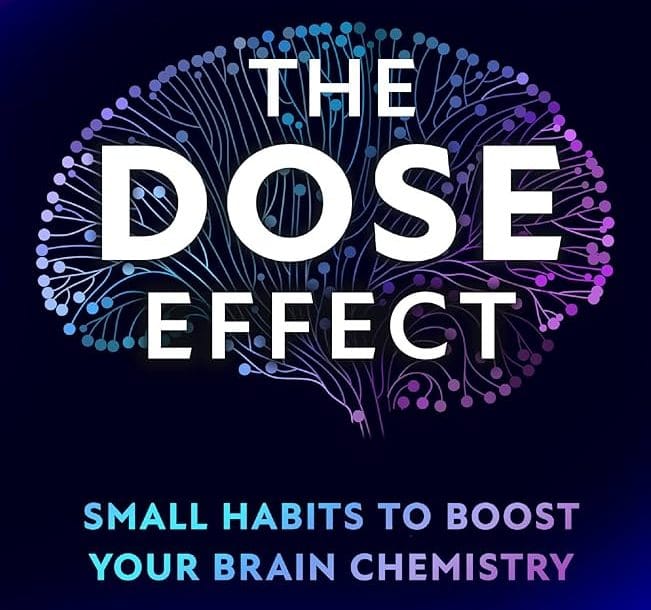
I recently finished reading The DOSE Effect by neuroscientist, TJ Power, a book that promises to share small, achievable habits designed to boost brain chemistry. I first became aware of it after seeing TJ speak in the media about the impact of porn addiction, social media, and gaming. Intrigued, I wanted to explore how the DOSE effect formula might help those struggling with compulsive sexual behaviours, commonly referred to as porn or sex addiction.
For people facing sex or porn addiction, The DOSE Effect can serve as an invaluable resource alongside the CHOICE recovery model. There are many overlapping themes which I will discuss in greater detail but, fundamentally, The DOSE Effect offers a solid strategy and practical advice for anyone looking to improve their daily life. It is particularly helpful for those in the ‘E’ stage of CHOICE – ‘Establishing Confident Recovery’ – which focuses on building a fulfilling life where addictive behaviours no longer serve a purpose.
To fully embrace recovery from sex and porn addiction, we must achieve true behavioural change by developing new daily disciplines and healthy pursuits. This is where the DOSE effect comes into play.
What is the DOSE Effect?
The DOSE effect is a formula conceptualized by TJ to help people take action toward their health goals, stay focused, and lead a more fulfilling life. DOSE is an acronym for the four main brain chemicals that the book focuses on: Dopamine, Oxytocin, Serotonin, and Endorphins. Throughout the book, TJ explains the fundamental functions of each chemical, how their levels affect our well-being, and how we can regulate them. Backed by impressive research, the book is an accessible and practical resource for anyone who feels they are not making the most of their life or living up to their potential. Each chapter concludes with five ‘DOSE Actions’, specific to each chemical, which can be integrated into daily life.
Dopamine and Porn Addiction
TJ defines dopamine as our motivational chemical, which is built through hard work and effort. It fuels our drive to pursue meaningful goals. A key principle of healthy dopamine is that it must involve effort or challenge to create a rewarding feeling. In contrast, instant gratification from activities such as porn, gambling, shopping, alcohol, drugs, and sugar causes quick dopamine spikes followed by crashes, leaving us feeling worse than before.
As TJ writes, “The challenge this creates is constantly having your dopamine hacked, as these behaviours deplete the one chemical in your brain that is going to provide you with the drive to create the life you want to have.”
For those struggling with sex or porn addiction, this cycle of quick dopamine spikes followed by crashes and low mood is all too familiar. However, the book offers activities and exercises to stimulate natural dopamine production. Instead of replacing one unhealthy compulsion with another, people can engage in dopamine-rich activities that are sustainable and beneficial.
DOSE Actions to Boost Dopamine:
- Find a flow-state activity and teach yourself to stay focused.
- Practice discipline by keeping your home organised.
- Break phone addiction through phone-fasting.
- Engage in cold water exposure therapy (cold showers, swimming or baths).
- Set long-term goals in career, family, or health – ‘my pursuit.’
Oxytocin and Porn Addiction
Oxytocin is the chemical that fosters confidence and connection, both in relationships and within ourselves. A deficiency in oxytocin can lead to feelings of loneliness, isolation, and low self-esteem. Unlike dopamine, oxytocin is not hacked by modern life but is simply underproduced due to lack of meaningful connection.
The fifth stage of the CHOICE recovery model is ‘Connect with others,’ a principle that aligns with boosting oxytocin. Meaningful interactions, both in-person and within oneself, are essential for overcoming addiction.
DOSE Actions to Boost Oxytocin:
- Contribute towards others through volunteering or small acts of kindness.
- Give and receive physical touch.
- Improve social life by engaging in meaningful, in-person conversations. (He includes in this keeping your phone out of sight and avoiding socialising that revolves around alcohol).
- Practice gratitude by consciously reflecting on positive aspects of life.
- Celebrate achievements with positive self-talk. (Remembering the goal is progress, and not perfection – a crucial component to addiction recovery).
Serotonin and Porn Addiction
Serotonin is the brain’s mood and energy chemical, playing a crucial role in emotional stability. Many people struggling with porn addiction experience frequent mood swings, low energy, and an overall sense of dissatisfaction with life. This could be due to compulsive porn use impacting overall brain function, as some research1 has suggested, contributing to anxiety, depression, and emotional instability. Whilst many assume our moods are purely psychological, serotonin production is significantly influenced by physical health. In fact, 90% of serotonin is produced in the gut! The vagus nerve, which connects the brain to the body, plays a critical role in regulating mood and well-being.
Low serotonin can result from poor diet, lack of sleep, minimal sunlight, and high stress. Processed foods disrupt gut balance, while late-night habits (like watching porn or anything on a screen, for that matter) can affect our quality of sleep.
DOSE Actions to Boost Serotonin:
- Spend time in nature and go for walks.
- Get regular sunlight to regulate circadian rhythms.
- Eat nutritious foods that promote gut health.
- Practice breathing exercises to manage stress, helping control cravings – ‘under-thinking.’
- Develop a calming routine and prepare your environment to encourage deep sleep.
Endorphins and Porn Addiction
Endorphins act as natural stress relievers and are crucial for relaxation and a sense of peace. Many people caught in the cycle of porn addiction turn to compulsive viewing as a means of escaping stress and emotional discomfort. However, this often leads to increased anxiety and even more reliance on unhealthy coping mechanisms. Without sufficient endorphin production, stress becomes overwhelming, potentially leading to the behaviours worsening.
A combination of chronic stress and a sedentary lifestyle can lead to low endorphin levels, especially when porn consumption replaces physical activity. A lack of laughter and genuine joy can also contribute, as social connections deteriorate. Without regular movement, positive interactions, and stress relief, the body struggles to maintain healthy endorphin levels. Over time, this can result in lower mood, reduced motivation, and increased reliance on unwanted behaviours.
DOSE Actions to Boost Endorphins:
- Exercise regularly.
- Use heat therapy – saunas or warm baths can help relax the body and reduce stress.
- Listen to music – sing, dance, or play an instrument to stimulate endorphin release.
- Laugh more – watch comedies, listen to funny podcasts and spend time with friends and family that make you laugh.
- Stretch daily – promotes relaxation, improves sleep, and fosters better emotional regulation.
Conclusion
For those struggling with porn addiction, integrating the DOSE effect formula into their recovery journey could be a game-changer. By focusing on natural ways to balance dopamine, oxytocin, serotonin, and endorphins, they can build a life where addiction no longer holds power. The DOSE Effect aligns well with the CHOICE recovery model, particularly in the phase of ‘Establishing Confident Recovery.’ By adopting the book’s actionable strategies, those in recovery can take meaningful steps toward long-term success, leading a healthier and more fulfilling life.
If you’re someone who is finding it difficult to sustain long-term recovery from porn addiction or compulsive sexual behaviours, why not reach out to us through our Talk To A Therapist service or join us for the Kick Start Recovery workshop. You can find out more using the buttons below.
- Gola, M., Wordecha, M., Sescousse, G., & Marchewka, A. (2017). Ventral Striatal Reactivity in Compulsive Sexual Behaviors. Frontiers in Psychiatry, 8, 546.
Love, T., Laier, C., Brand, M., Hatch, L., & Hajela, R. (2015). Neuroscience of Internet Pornography Addiction: A Review and Update. Behavioral Sciences, 5(3), 388–433.
Brand, M., Young, K. S., Laier, C., Wölfling, K., & Potenza, M. N. (2016). Integrating Psychological and Neurobiological Considerations Regarding the Development and Maintenance of Specific Internet-Use Disorders: An Interaction of Person-Affect-Cognition-Execution (I-PACE) Model. Neuroscience & Biobehavioral Reviews, 71, 252–266. ↩︎